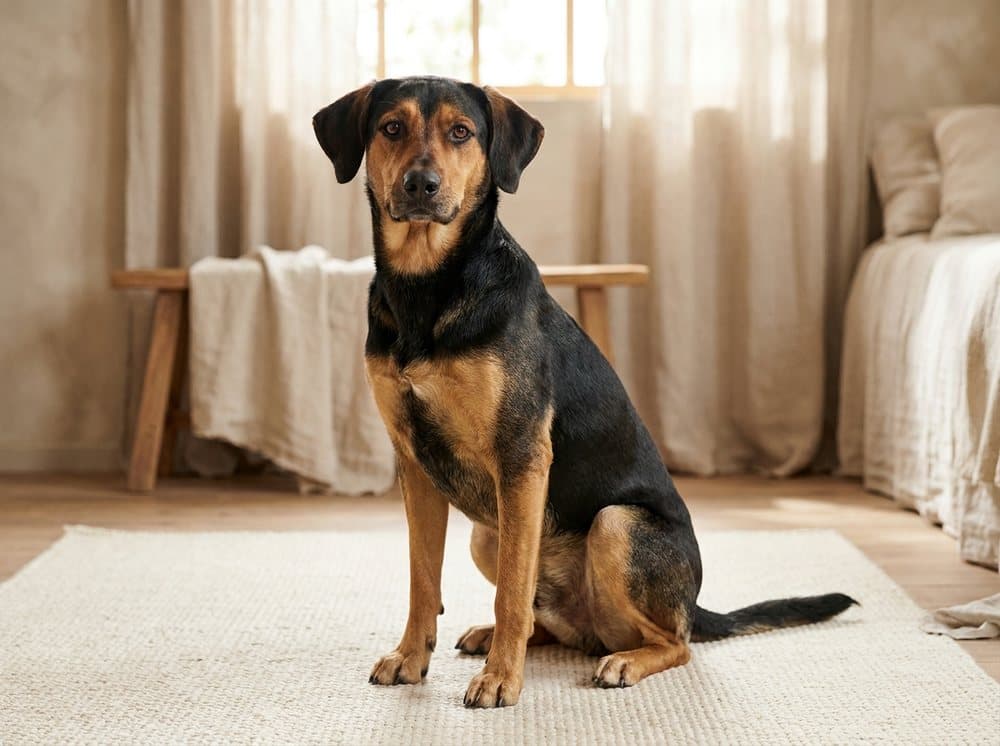
Breed ancestry
The breeds behind the dog
Your dog's DNA is compared with a curated reference panel and reported as estimated breed percentages. Smaller contributions and closely related breeds can carry more uncertainty.

The Science
Explore ancestry and trait predictions, genetic diversity and oral bacterial composition. Here's how to understand the results and their limitations.
What the report reads
The report combines sequencing evidence with reference-based predictions. Confidence varies by result, and some measurements may be unavailable. The current report does not include genetic disease-screening results.
Breed ancestry
Your dog's DNA is compared with a curated reference panel and reported as estimated breed percentages. Smaller contributions and closely related breeds can carry more uncertainty.
Colour and markings
Possible colour, pattern and markings where the evidence supports them. Some interpretations may use reported appearance; others cannot be determined. These limitations stay visible in the report.
Coat and body features
Predictions for coat and body features, each shown with its own confidence. These are genetic tendencies, not measurements of your dog.
Behaviour and build
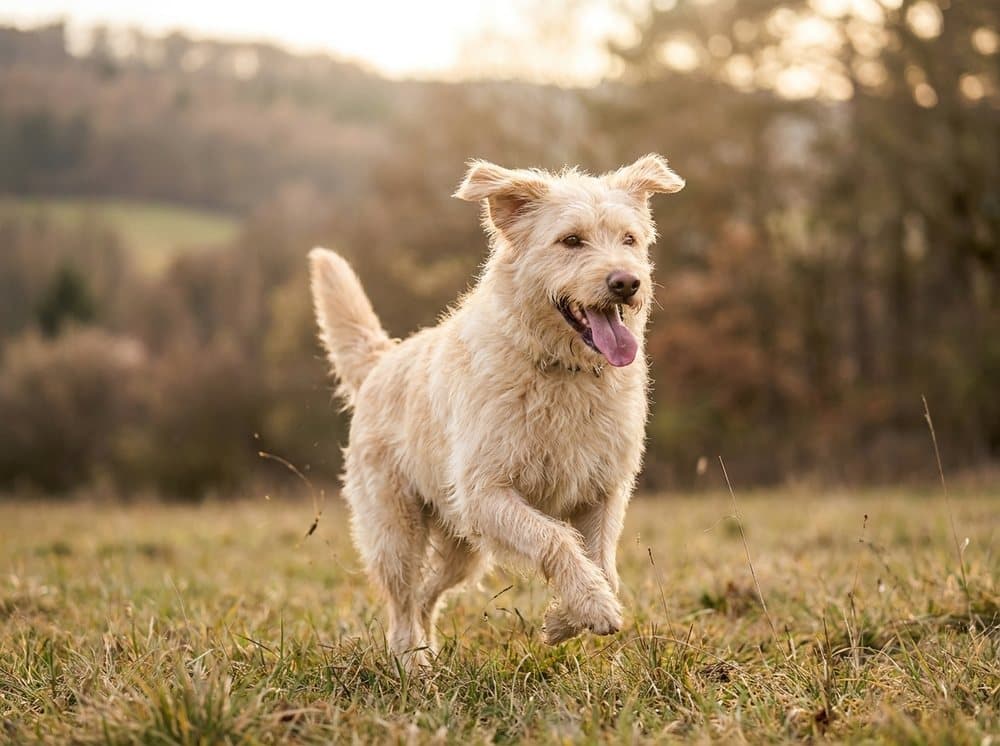
Breed-informed behavioural tendencies and adult height and weight estimates. These do not measure your individual dog's personality or guarantee their adult size.

Inbreeding and reference comparison
A genotype-based inbreeding estimate, with a diversity comparison against dogs in the reference panel. It does not tell you how closely related your dog's parents were, and it is not a health score.
The submitted sample
Relative bacterial composition, community variety and monitored-bacteria comparisons. This is a snapshot of the sample, not a dental-disease screen or disease-risk score.
How breed detection works
Published studies have documented genetic structure among sampled purebred dogs. In a controlled 2004 study of 85 breeds, microsatellite genotypes assigned 99% of the sampled dogs to their recorded breed (Parker et al., Science). That controlled purebred result is not a universal accuracy rate for mixed-breed consumer reports. Later genome-wide work (vonHoldt et al., Nature, 2010) examined dog population history, and in 2017 Parker and colleagues (Cell Reports) mapped relationships among 1,346 dogs from 161 breeds into 23 breed clades.
Consumer ancestry estimates compare selected genetic patterns with a provider's reference panel and model. Closely related breeds, small ancestry contributions, and backgrounds with limited reference data can be less certain. PuppyGenes reports probability-based estimates, not pedigree records.
Sample breed match
Illustrative. Your report shows your own dog's breakdown, dominant breed first.
Genetic diversity & inbreeding
The report includes a genotype-based inbreeding estimate and a separate genetic-diversity percentile. The estimate depends on the genetic data and reference panel; it does not reconstruct a pedigree or tell us the exact relationship between your dog's parents.
Illustrative diversity comparison
Illustrative: more genetically diverse than about 62% of the reference dogs. The reference panel does not represent every dog population.
Lab methodology
Cheek swab
Collect saliva from your dog's cheek pouch for about 30 seconds. Skip food for 30 minutes and water for 10 minutes beforehand. No scraping and no blood draw are needed; follow the instructions supplied with your kit.
DNA extraction and analysis
DNA is extracted from the sample. Sequencing evidence is combined with canine reference data to estimate ancestry, included traits and genetic diversity. An inferred result is not a definitive direct reading of every genetic position.
Analysis & interpretation
Your dog's DNA is compared with breed reference data and analyzed for the included trait predictions and genetic diversity. Oral microbiome results describe the sampled microbial community. Each category is translated into a plain-language report with its limitations.
Sample handling
PuppyGenes uses a U.S. lab partner. Report data is stored in Canada and handled in line with PIPEDA. We don't promise destruction of the physical sample by a fixed date.
Where we stop
The report explains ancestry estimates, trait predictions, genetic diversity and the oral bacteria measured in the sample. Results can be uncertain or unavailable. These insights do not diagnose or rule out disease and do not replace veterinary care.
What we do
What we don't
The research behind it
These papers provide background on canine genetics. Their study populations and findings are not PuppyGenes test specifications or an accuracy guarantee for your report.
Science, 2004
Parker HG, et al.
In a controlled study of sampled purebred dogs from 85 breeds, microsatellite genotypes assigned 99% to their recorded breed. This is not a universal consumer-test accuracy rate.
Read the paperNature, 2010
vonHoldt BM, et al.
Used genome-wide SNP and haplotype data to examine population structure and the history of dogs and wolves.
Read the paperCell Reports, 2017
Parker HG, et al.
Mapped relationships among 1,346 dogs from 161 breeds into 23 breed clades, illustrating the population structure used in reference-panel comparisons.
Read the paperCanine Genetics and Epidemiology, 2021
Bannasch D, et al.
Found breed-level associations among inbreeding, body size, morphology, and morbidity across 227 breeds. It provides population context, not an individual prediction.
Read the paperExplore ancestry, coat and appearance predictions, temperament and size estimates, genetic diversity and oral microbiome context. Results usually arrive within 4–6 weeks of posting your sample.